Living Through a Second-Story Addition: A Survival Guide for Puget Sound Homeowners
Key Takeaways Zoning is Mandatory: Create a "safe zone" in your home that remains a dust-free sanctuary away from the primary construction path.…
Another Story SEA · Second-Story Specialists
Living Through a Second-Story Addition: A Survival Guide for Puget Sound Homeowners
July 27, 2026 · Second-story additions · Edmonds, WA
Key Takeaways
- Zoning is Mandatory: Create a “safe zone” in your home that remains a dust-free sanctuary away from the primary construction path.
- Communication Wins: Proactive communication with neighbors regarding parking and noise prevents disputes before they start.
- Weather Proofing is Priority One: In the PNW, the transition from roof-off to roof-on must be handled with high-performance materials to avoid water damage.
- Expect “Construction Fatigue”: Acknowledge that living in a job site is mentally taxing; schedule “getaways” to maintain your sanity.
Adding a second story to your home is not a standard remodel; it is essentially open-heart surgery for your house. When you hire Another Story SEA, you aren’t just adding square footage—you are fundamentally changing the structural integrity and layout of your existing living space. As a division of Pacific Pro Group, we specialize in these vertical expansions across Edmonds, Shoreline, and Woodway, where lot-line limits often make expanding outward impossible.
The biggest question homeowners ask isn’t about the blueprints; it’s “Can I actually live here while this happens?” The answer is yes, but only if you have a rigorous plan for noise, dust, parking, and mental health.
Managing the Dust and Air Quality
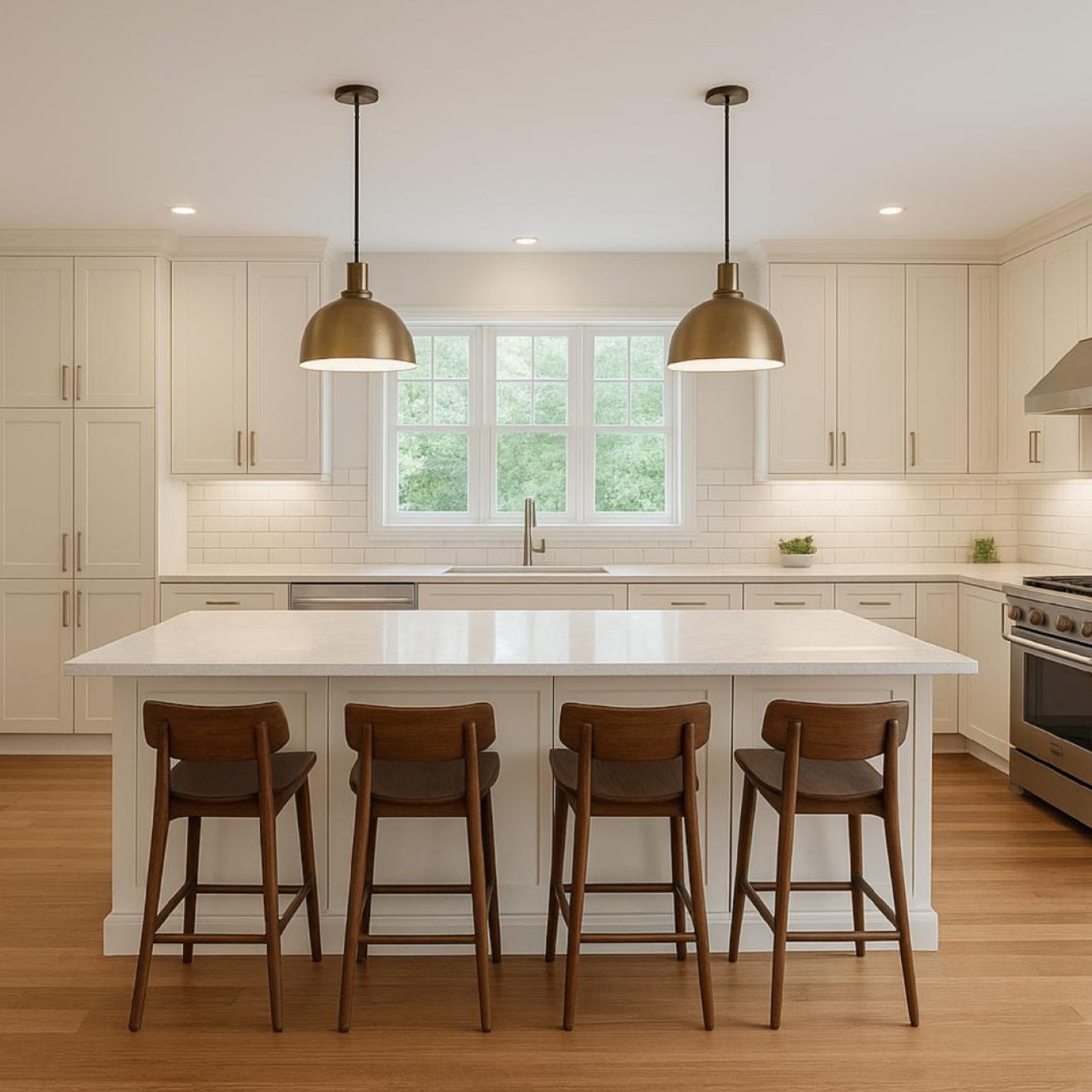
Project photography from PacificProGroup.com · Another Story SEA division
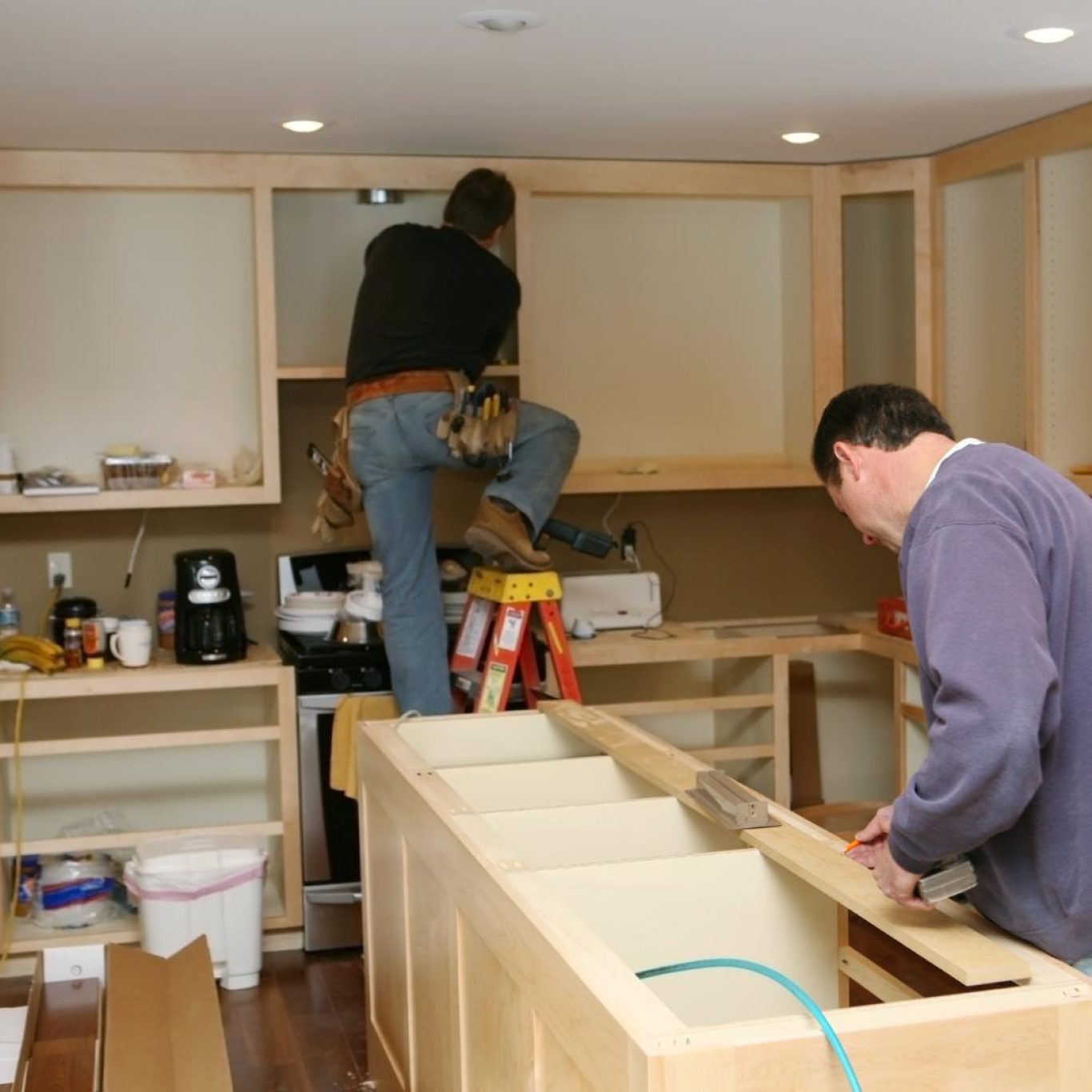
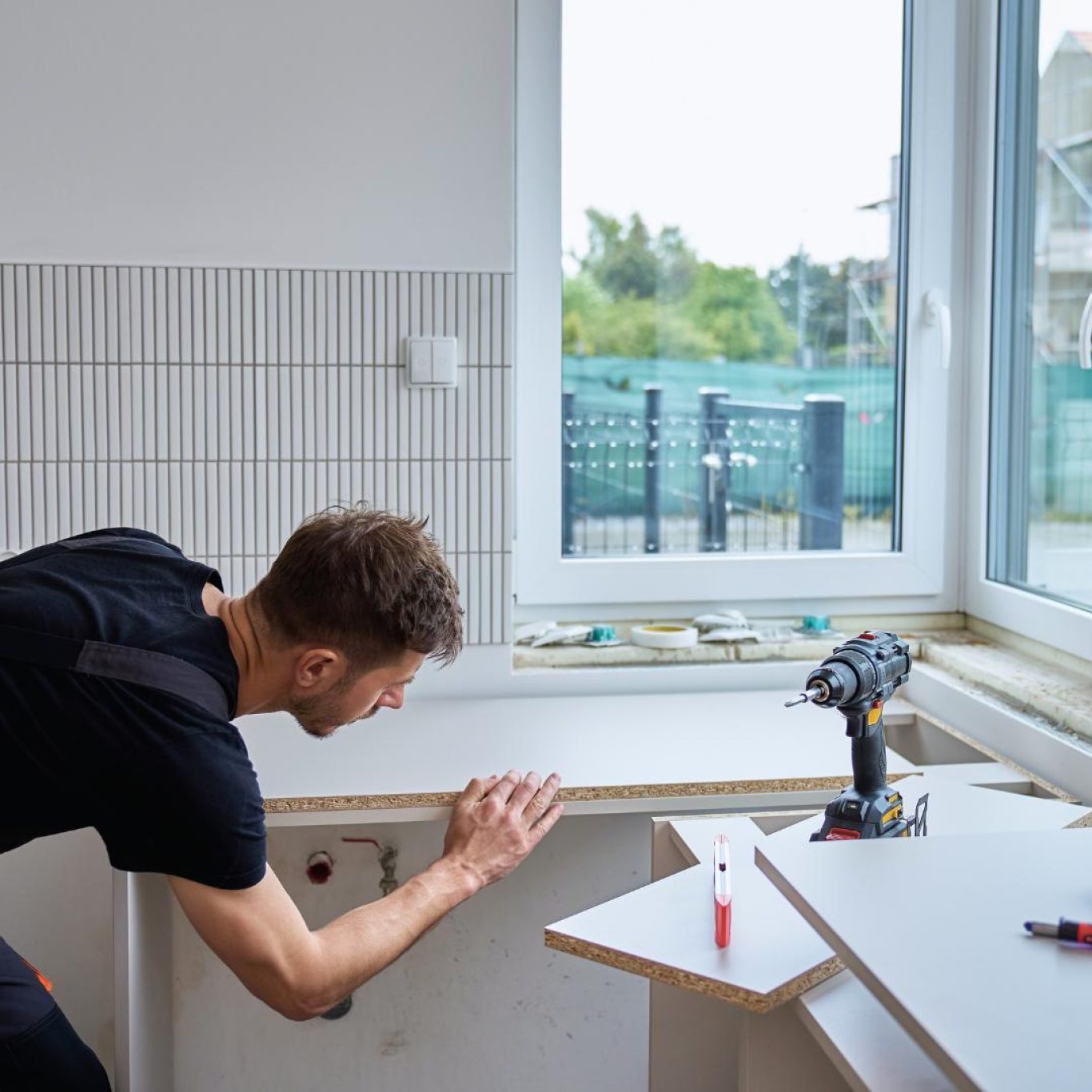
In an older Edmonds home, dust doesn’t just sit on surfaces—it migrates. When we pull up ceilings to tie in new floor joists or cut through walls for new staircases, we create a massive amount of particulate matter.
To survive this, you need professional-grade containment. We don’t just throw up a plastic sheet; we create sealed corridors. If you are staying in the home, I recommend investing in high-efficiency HEPA air purifiers for your “safe zone” (usually a bedroom or a small den). Keep these rooms closed off and use a transition mat at the door to prevent tracking construction debris into your clean space.
The Temporary Kitchen and Living Setup
When we expand upward, your kitchen often becomes the hub of activity—or the primary casualty of the first phase. If your kitchen is in the “impact zone,” you need a temporary culinary station.
Set up a dedicated area in a garage or a downstairs nook with a microwave, an electric kettle, and a standalone refrigerator. Avoid using the main oven if it’s near the construction zone; the smell of cooking food mixing with sawdust and adhesive is a recipe for nausea. Keep your meal prep simple. This is the time for slow cookers and takeout from your favorite Edmonds spots, not five-course meals.
Noise, Nerves, and Neighbor Etiquette
The Puget Sound coastal communities are generally quiet. When you introduce a crew of ten people, three delivery trucks, and the constant scream of a miter saw, neighbors notice.
In tight neighborhoods like Shoreline or Mountlake Terrace, parking is the primary flashpoint. Your contractors need a place to park, and your neighbors need their driveways clear. We coordinate a staging plan that minimizes street blockage. However, as the homeowner, you should take the lead on communication.
Send a friendly note to your immediate neighbors. Tell them the project timeline, provide your phone number, and let them know that Another Story SEA is managing the site. A small gesture—like a bottle of wine or a box of chocolates—goes a long way when a delivery truck accidentally blocks their driveway for twenty minutes on a Tuesday morning.
The PNW Reality: Rain and Open Roofs
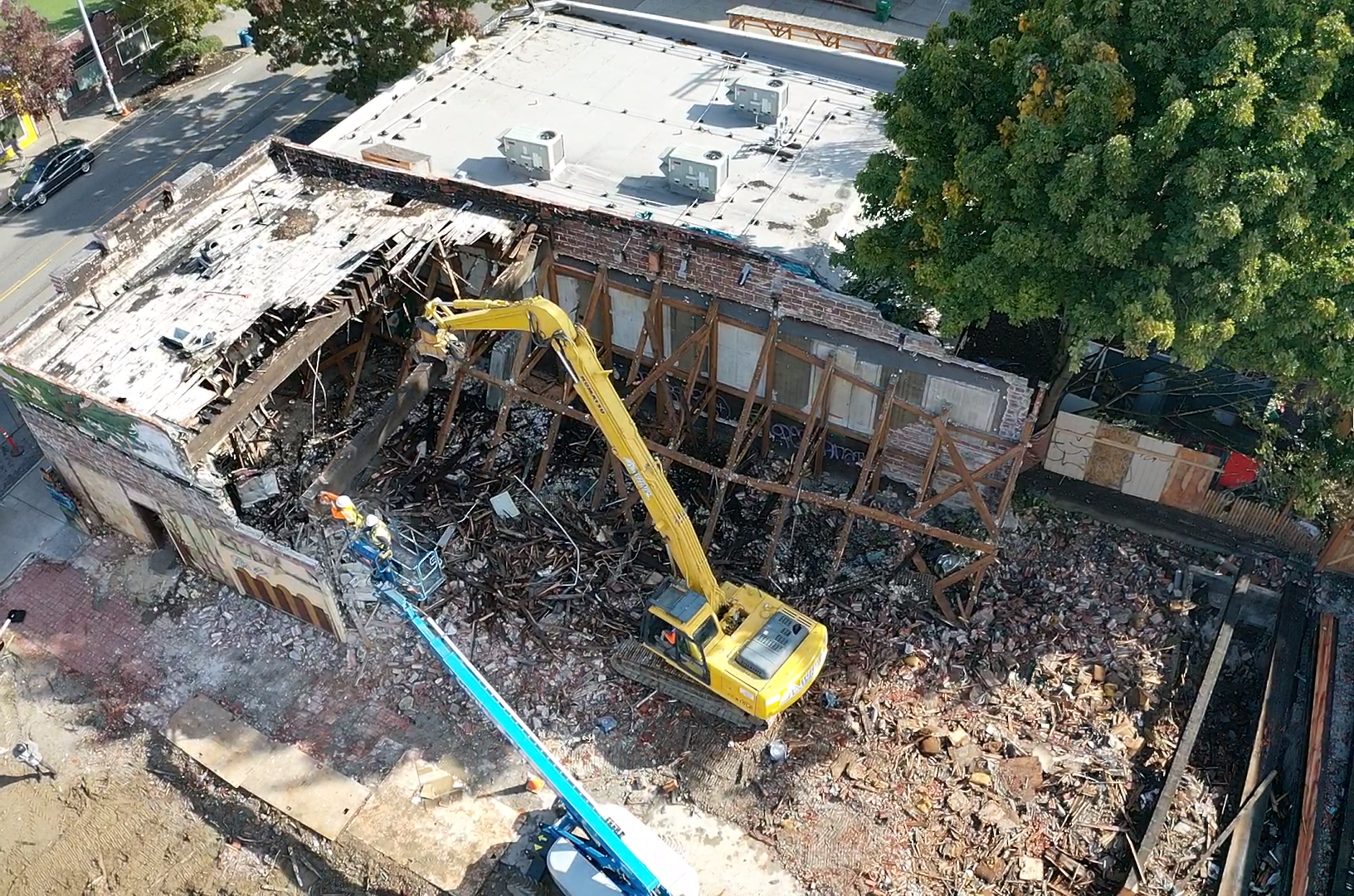
The most stressful part of a vertical expansion in the Pacific Northwest is the “open roof” phase. We are removing your protection from the elements to build upward. In Edmonds, we don’t have the luxury of a dry six-month window.
We manage this by using rapid-deployment weatherproofing. We don’t leave the house exposed for weeks. The goal is to get the structure enclosed as quickly as possible to prevent moisture from infiltrating your first-floor living space. This is where the choice of materials becomes a matter of survival rather than just aesthetics.
Materials Worth Knowing
In a high-end second-story addition, we don’t use “builder grade” shortcuts. The coastal humidity and wind loads of the Puget Sound require specific products to ensure the home lasts another fifty years. While final specs are project-specific and chosen with the design-build team at Pacific Pro Group, these are the standards we rely on:
- ZIP System sheathing & tape: We use this as a weather-resistant roof and wall sheathing. In our wet climate, ZIP system provides an integrated air and moisture barrier that is far superior to traditional house wrap, especially during the vulnerable transition phase of an addition.
- James Hardie fiber-cement siding: Coastal moisture destroys wood siding over time. Fiber-cement is the gold standard for durable exterior cladding that resists rot and handles the frequent paint cycles required in the PNW.
- Marvin Windows and Doors: To capture those Puget Sound views while blocking out coastal wind and rain, we specify premium window packages. These provide the thermal break needed to keep a new second story from feeling like a greenhouse in summer or an icebox in winter.
- Owens Corning insulation: Adding a second floor changes the thermodynamics of your home. We use high-performance insulation to ensure thermal comfort and energy efficiency, preventing heat from escaping through the new roofline.
- Sherwin-Williams coatings: For the final finish, pro-grade coatings are used on siding and interiors to provide a moisture-resistant seal that stands up to the gray-sky humidity of our region.
Seasonal Timing and Logistics
If you are planning your addition, timing is everything. Starting in late spring allows us to get the heavy structural work done before the autumn rains hit. However, if you start in winter, you must be prepared for “mud season.” Your backyard will become a construction staging area, and the movement of materials can tear up your lawn. We recommend laying down temporary ground protection mats to save your landscaping from the weight of the machinery.
Living through this process requires a shift in mindset. You are no longer living in a finished home; you are living in a workshop. Embrace the chaos, keep your “safe zone” clean, and maintain a direct line of communication with your project manager.
FAQ: How do I handle pets and children during a second-story addition?
Pets and children should be kept away from the active construction zone at all times due to nail guns, open floor joists, and dust. We recommend designating one room as a “no-go” zone for crews, where your kids or pets can stay safely. If possible, board pets during the heaviest demolition phases to reduce their stress levels.
FAQ: Will my utility bills spike during construction?
Yes. Between the use of temporary heaters in winter and the fact that your home’s thermal envelope is temporarily compromised during the roof-off phase, you will see an increase in energy costs. We mitigate this by sealing off the first floor from the construction area as much as possible.
FAQ: How long is the “most disruptive” phase of a vertical expansion?
The most disruptive period is typically the first 4–6 weeks, which involves demolition of the existing roof and the framing of the new second-story walls. Once the house is “dried in” (roof and windows installed), the disruption shifts from loud noise and dust to the more manageable phase of interior finishing.
Resources & Links
- Another Story SEA
- Pacific Pro Group
- ZIP System sheathing & tape
- James Hardie fiber-cement siding
- Marvin Windows and Doors
- Owens Corning insulation
- Sherwin-Williams coatings
Popular Materials on Major Projects
Referenced for homeowner education. Your project specifications are selected with Another Story SEA / Pacific Pro Group.
- ZIP System sheathing & tape — weather-resistant roof and wall sheathing for wet PNW climates
- Sherwin-Williams coatings — pro-grade coatings for new siding, trim, and interiors
- Owens Corning insulation — thermal comfort and energy performance in new upper floors
- Marvin Windows and Doors — premium window packages for coastal light and weather exposure
- James Hardie fiber-cement siding — durable exterior cladding that handles coastal moisture and paint cycles
About Another Story SEA
Another Story SEA is a division of Pacific Pro Group specializing in second-story additions across Edmonds and the greater Puget Sound. We help homeowners grow up — not out — with design-build expertise, permitting support, and coastal construction standards.
Office 144 Railroad Ave Ste 307
Edmonds, WA 98020Contact (206) 446-5656
anotherstorysea.comLicensing WA State Contractor
Lic #: PACIFPG765OF
Ready to Add Another Story?
Talk with the second-story specialists at Another Story SEA — a division of Pacific Pro Group.