Timing Your Vertical Expansion: The Edmonds Seasonal Construction Guide
Key Takeaways - Start the design and permitting process in late winter to hit the "dry window" for structural framing. - The highest risk period is the…
Another Story SEA · Second-Story Specialists
Timing Your Vertical Expansion: The Edmonds Seasonal Construction Guide
July 28, 2026 · Second-story additions · Edmonds, WA
Key Takeaways
- Start the design and permitting process in late winter to hit the “dry window” for structural framing.
- The highest risk period is the “roof-open” phase; timing this for May through August minimizes rain exposure.
- Interior finishes and painting are best handled during the rainy winter months when outdoor work slows down.
- Proper structural reinforcement and waterproofing are non-negotiable in the Puget Sound coastal climate.
Planning a second-story addition is not like a standard remodel. When you decide to grow upward, you are essentially removing the lid of your home and exposing your entire living space to the elements. In Edmonds and the surrounding areas like Shoreline, Lynnwood, and Woodway, we deal with specific geographic challenges: tight lot lines that prevent outward expansion, older housing stock with dated framing, and a relentless rain cycle that can derail a project if the timing is off.
As a veteran construction manager at Another Story SEA, a specialized division of Pacific Pro Group, I have seen how seasonal timing affects both the budget and the stress levels of homeowners. A vertical expansion requires a strategic calendar to ensure your home remains dry and your timeline stays on track.
The Pre-Construction Phase: Late Winter (February – April)
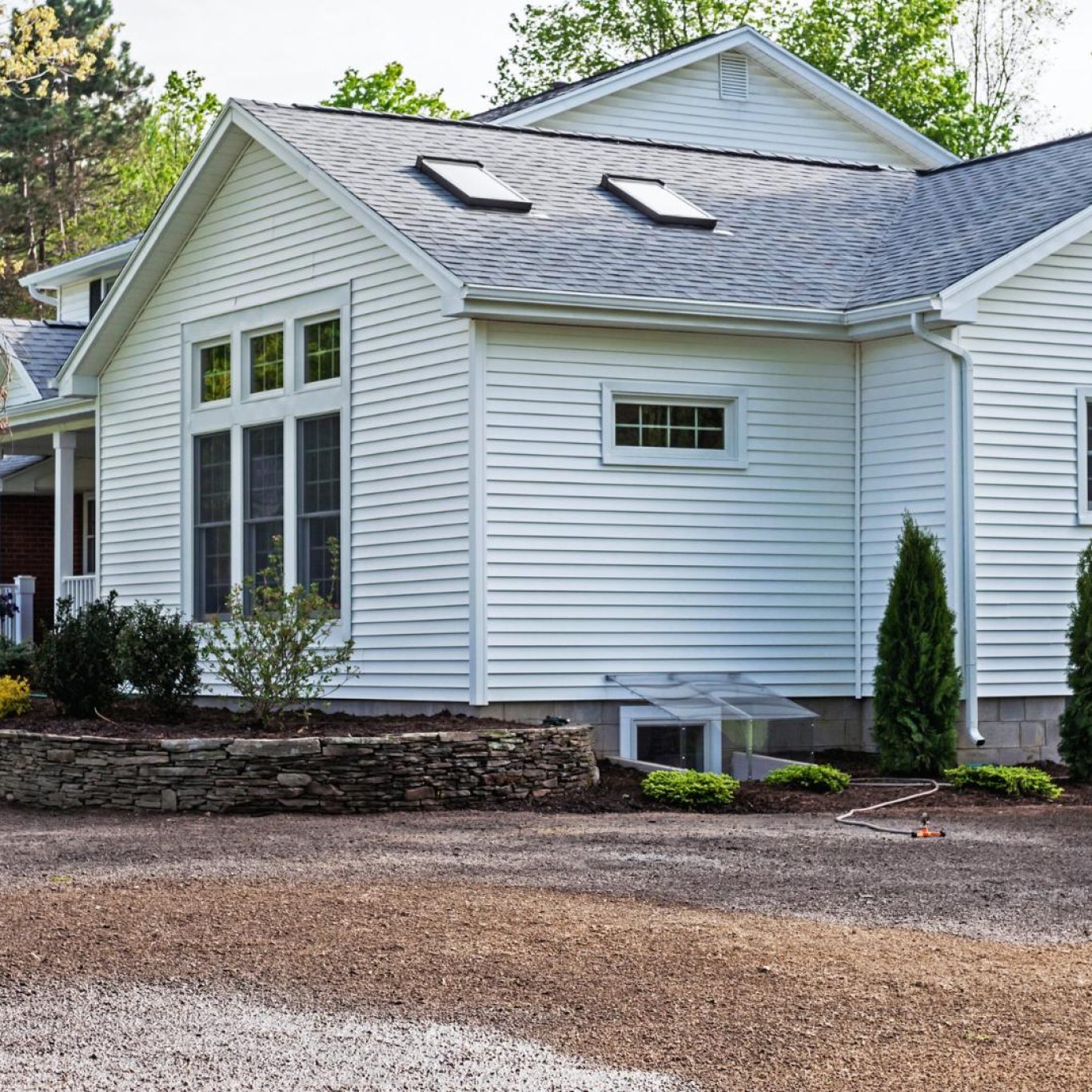
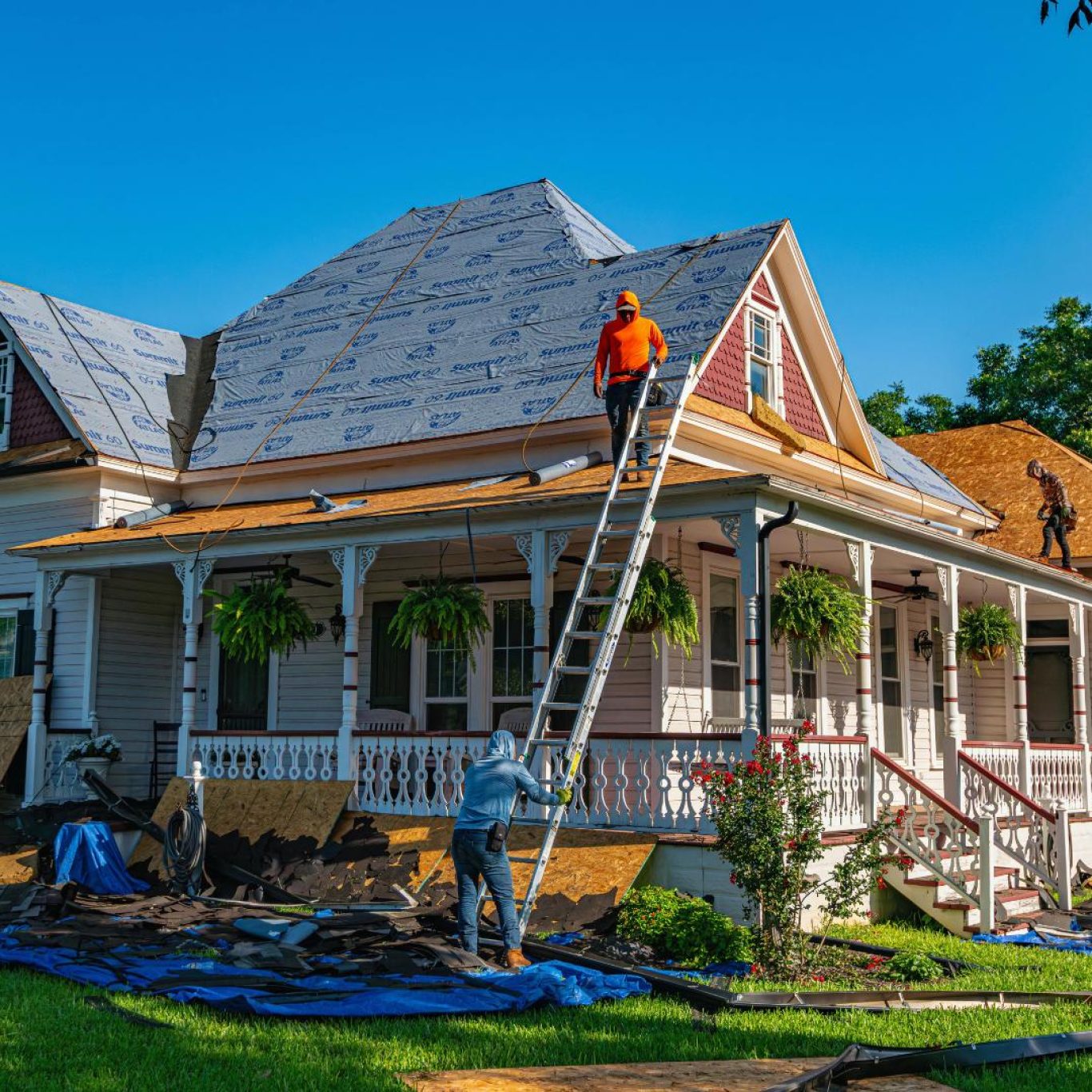
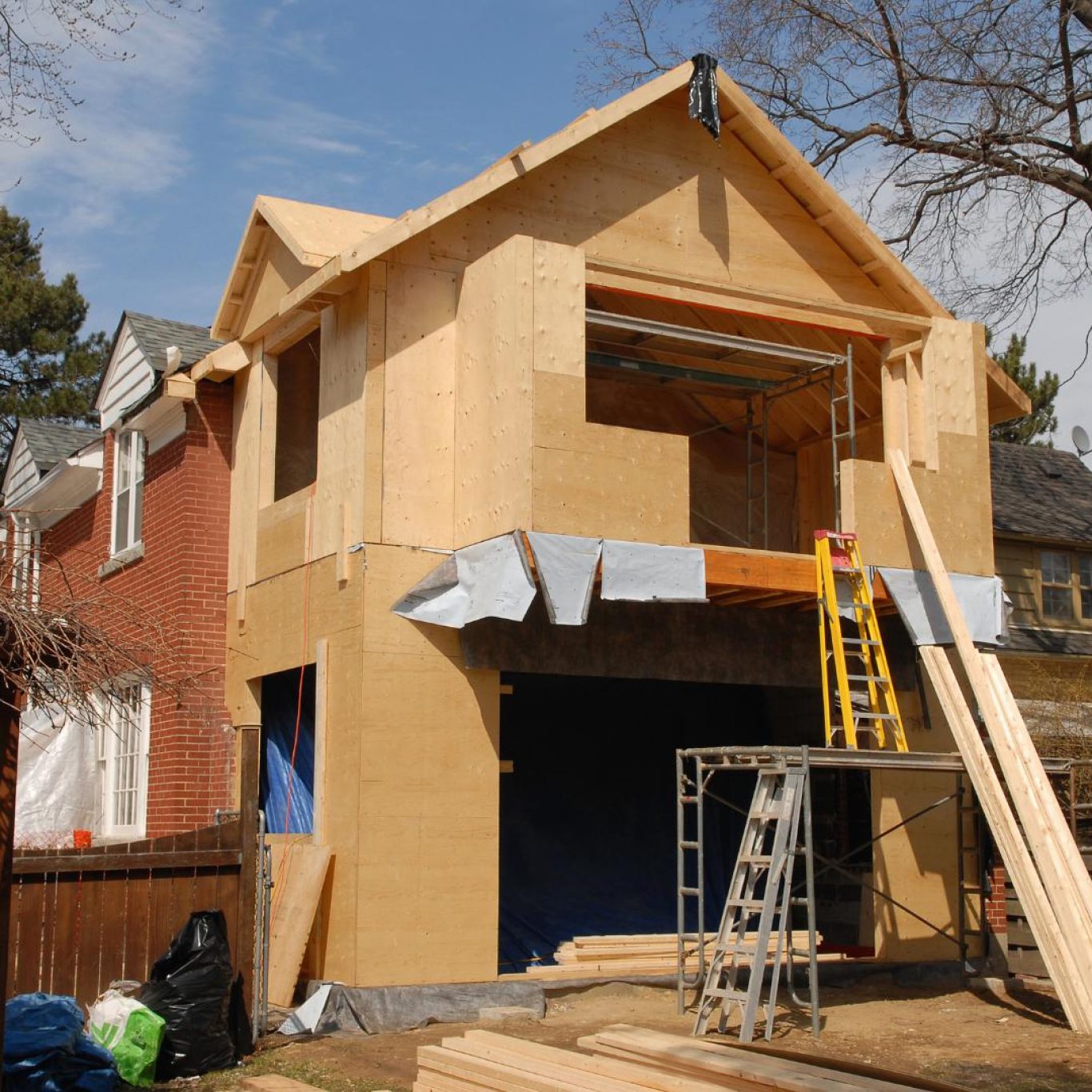
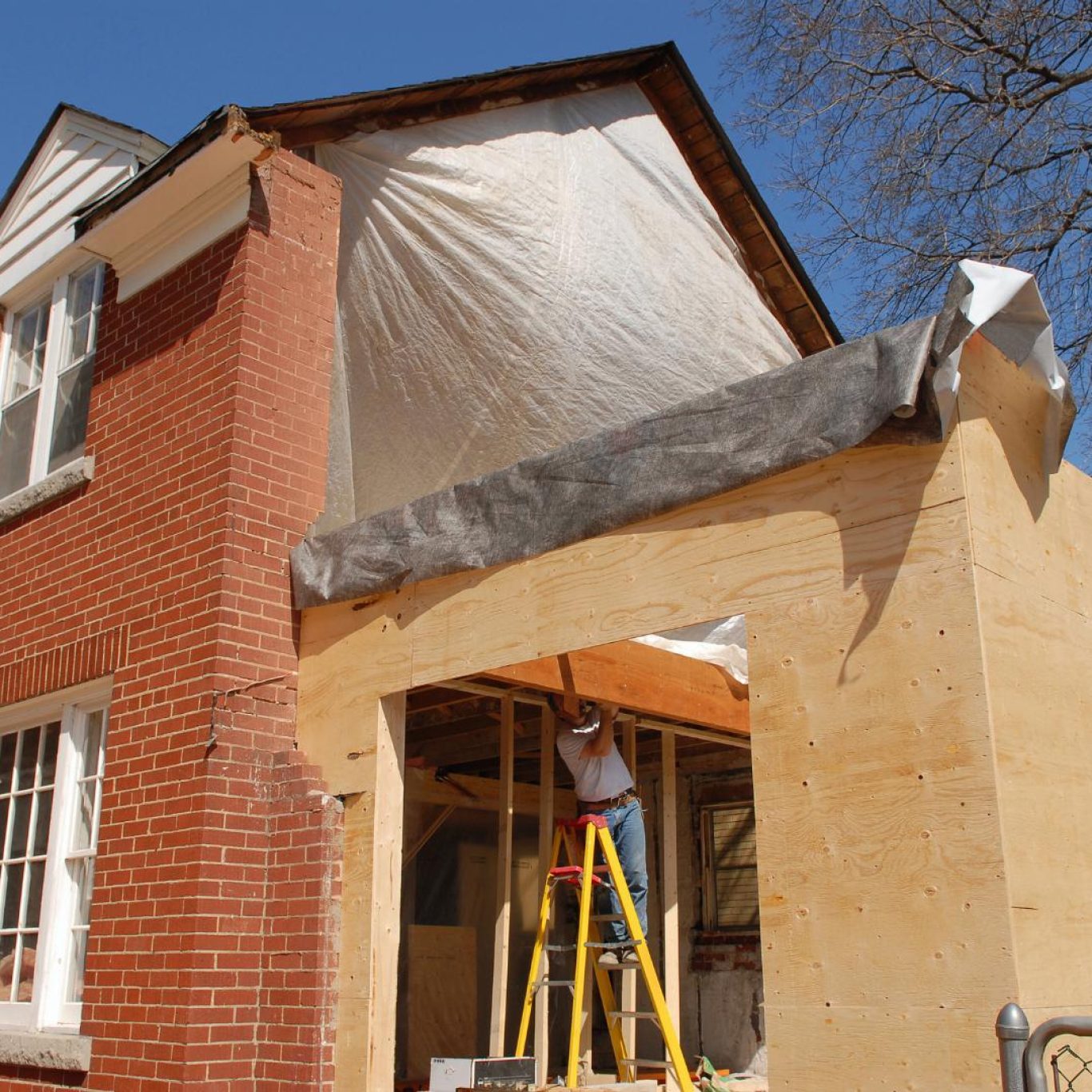
Project photography from PacificProGroup.com · Another Story SEA division
In the Puget Sound, the most important work happens before a single nail is driven. This period is for architecture, engineering, and permitting. Because we specialize in upward expansions, we have to look closely at the existing foundation and first-floor wall studs. Can they handle the added load of a second story?
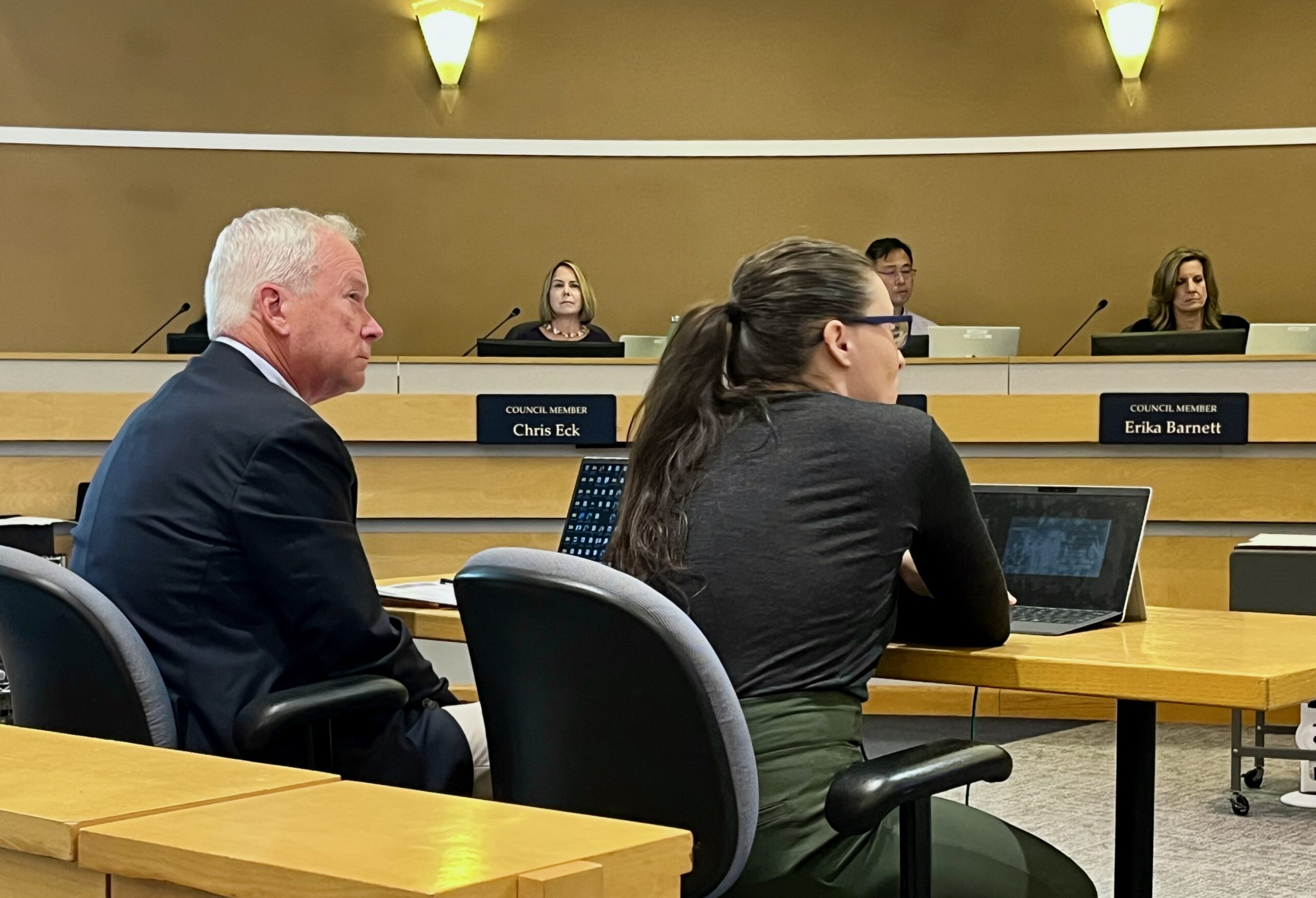
During these months, we focus on structural calculations. We aren’t just adding a room; we are redistributing thousands of pounds of weight. This is also when you navigate the permitting process with the city of Edmonds or Mountlake Terrace. Permit timelines can be unpredictable, so starting in February ensures that by the time the weather breaks in May, your permits are approved and your materials are ordered.
The High-Risk Window: Late Spring & Summer (May – August)
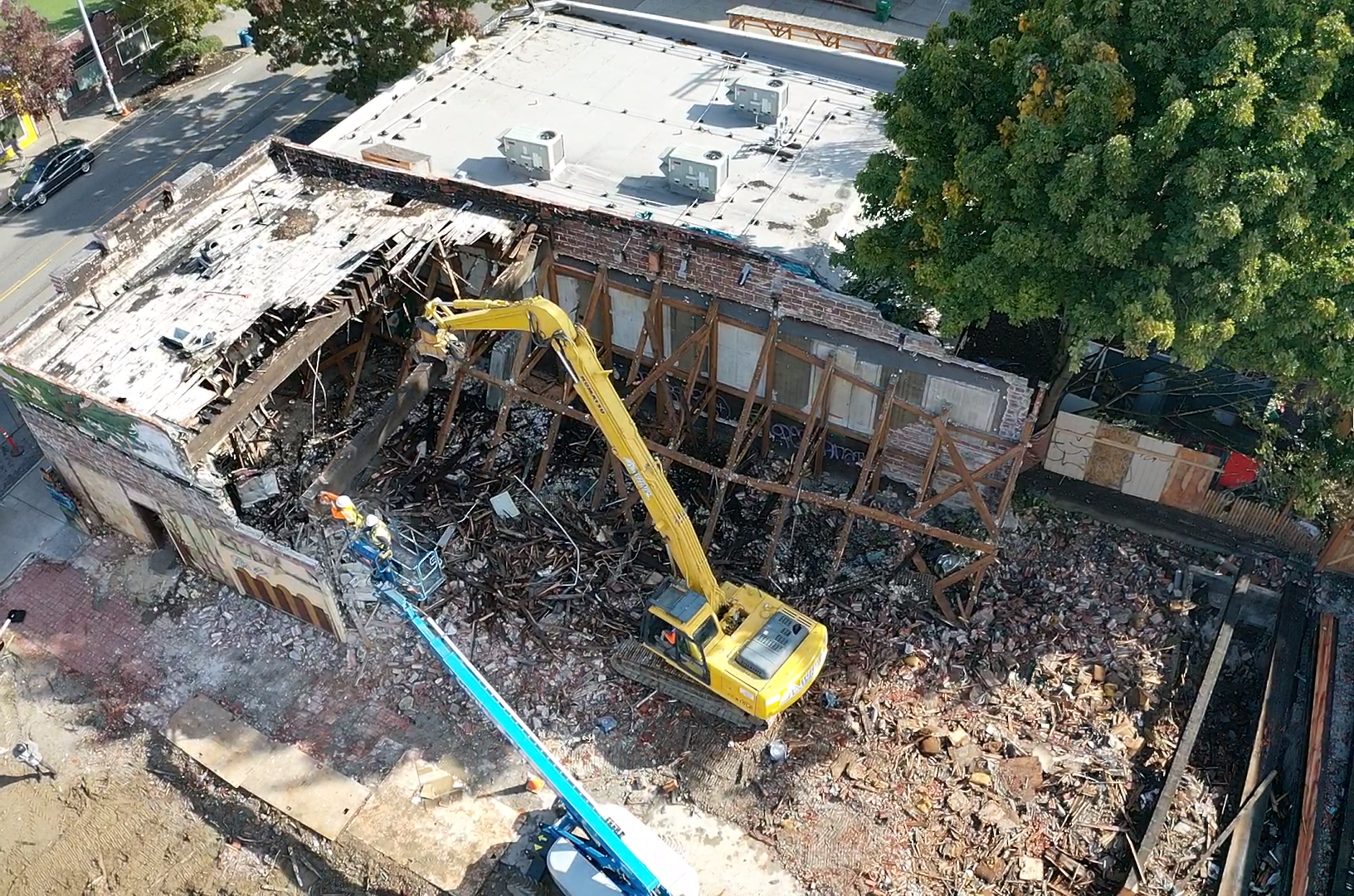
This is the “Roof Open” phase. In a second-story addition, we remove the existing roof to build the new walls and floor joists for the upper level. This is the most vulnerable moment for your home. If this happens in November, you are fighting a losing battle against leaks and moisture.
By scheduling the structural push for May through August, we maximize the dry days. During this phase, structural integrity is everything. We rely heavily on Simpson Strong-Tie connectors to secure new framing to old structures. In vertical expansions, these connectors provide the necessary hold-downs and seismic resistance required by Washington state building codes, ensuring the new story doesn’t just sit on top of the old one but is integrated into a single, solid unit.
This window is also when we install the primary envelope. Once the walls are up, the goal is to get the house “dried in” as quickly as possible. We use GAF roofing systems because their waterproofing layers are designed to handle the specific wind-driven rain patterns we see along the coast. Getting a high-quality roof plane established by August means that when the September rains arrive, your interior is already protected.
Closing the Envelope: Early Fall (September – October)
As the weather shifts, the focus moves toward sealing the home. This is when window installation becomes the priority. For homeowners in Edmonds and Woodway, views of the Sound or the surrounding greenery are often the primary driver for adding a second story.
We typically install Andersen Windows during this phase. These windows provide the necessary egress for bedrooms on the upper level while offering the thermal efficiency needed to keep heating costs down during the Puget Sound winter. Proper flashing and sealing around these openings are vital; any gap left in October will become a leak by December.
If your project includes an upper-level balcony or a new outdoor connection, this is when we integrate Trex composite decking. Unlike traditional wood, which can warp or rot during the damp autumn months, composite materials allow us to finish the exterior transitions without worrying about immediate moisture damage.
Interior Refinement: Late Fall & Winter (November – January)
Once the house is dried in, the construction moves entirely indoors. This is the least stressful phase for the homeowner but the most intensive for the finishing crews. While it’s raining outside, we are installing HVAC, electrical, and plumbing.
The final touch of any high-end expansion is the finish work. We use Benjamin Moore paint for interior systems because their finishes hold up well in climates with high humidity and temperature swings. This period allows us to perfect the aesthetic details—trim, flooring, and paint—without the distractions of exterior weather delays.
Living Through the Build: The Human Element
Many clients ask if they can stay in their homes during a second-story addition. The honest answer is: it depends on your tolerance for chaos.
When we remove the roof, the first floor becomes a construction zone. Even with professional hoarding and plastic barriers, there will be dust and noise. For most Another Story SEA projects, we recommend finding temporary housing during the “Roof Open” phase (May–August). However, once the GAF roofing is in place and the home is sealed, moving back in for the interior finish phase is entirely feasible.
Regarding costs, remember that vertical expansion often reveals “hidden” issues in older Edmonds homes—such as outdated wiring or undersized plumbing stacks—that must be upgraded to support a second floor. Budgeting a 10-15% contingency fund for these discoveries is a standard professional recommendation.
Materials Worth Knowing
Choosing materials for a vertical expansion requires a balance between structural necessity and long-term maintenance. Final specs are always project-specific and chosen in collaboration with our design-build team.
- Simpson Strong-Tie connectors: Essential for the structural marriage of the new second story to the existing first-floor frame. They provide the strength needed to resist lateral loads and wind.
- GAF roofing systems: We use these to ensure a watertight seal. In the PNW, a roof isn’t just about shingles; it’s about the underlayment and ventilation that prevents mold in the attic space.
- Andersen Windows: Selected for their energy efficiency and ability to create large, clear openings that capture Puget Sound views while meeting strict egress codes for upper-level bedrooms.
- Benjamin Moore paint: Used for its durability and superior finish, ensuring that the new living space looks polished and resists the dampness of a coastal environment.
- Trex composite decking: Ideal for upper-level decks where traditional wood would require constant staining and sanding due to the rain and salt air.
FAQ: How long does the “roof-open” phase actually last?
Typically, from the moment the old roof comes off to the moment the new roof is dried in, you are looking at 4 to 8 weeks. This timeline varies based on weather and the complexity of the structural framing.
FAQ: Can I add a second story if my house is very old?
Yes, provided the foundation can support the additional load. We perform a structural analysis early in the process. If the foundation is insufficient, we can often reinforce it through underpinning or adding piers before building upward.
FAQ: Do I need different permits for a vertical expansion than a ground-level addition?
Yes. Vertical expansions involve different height restrictions and zoning laws regarding “bulk” and views of neighbors. This is why starting the process in late winter is vital to ensure compliance with local Edmonds or Shoreline ordinances.
Resources & Links
- Another Story SEA
- Pacific Pro Group
- Andersen Windows
- Benjamin Moore paint
- GAF roofing systems
- Simpson Strong-Tie connectors
- Trex composite decking
Popular Materials on Major Projects
Referenced for homeowner education. Your project specifications are selected with Another Story SEA / Pacific Pro Group.
- Andersen Windows — view windows and egress openings common in second-story suites
- Benjamin Moore paint — interior/exterior finish systems homeowners recognize on completed projects
- GAF roofing systems — new roof planes and waterproofing when a second story reworks the roof
- Simpson Strong-Tie connectors — structural hardware, hold-downs, and framing connectors for additions
- Trex composite decking — low-maintenance decks and upper-level outdoor connections
About Another Story SEA
Another Story SEA is a division of Pacific Pro Group specializing in second-story additions across Edmonds and the greater Puget Sound. We help homeowners grow up — not out — with design-build expertise, permitting support, and coastal construction standards.
Office 144 Railroad Ave Ste 307
Edmonds, WA 98020Contact (206) 446-5656
anotherstorysea.comLicensing WA State Contractor
Lic #: PACIFPG765OF
Ready to Add Another Story?
Talk with the second-story specialists at Another Story SEA — a division of Pacific Pro Group.